



All-inclusive stays in Mexico usually cost between 150 and over 1000 per night, depending on what the property includes and how pricing is structured. The real question is not just the price. It is what that price allows you to do during your stay.
Many travelers begin with all-inclusive resorts in Mexico because the model feels simple. You pay per person and get access to meals, drinks, and shared amenities. This works well for short trips. The challenge begins when you start comparing options for groups, longer stays, or events where space and flexibility matter more.
What actually shapes the cost of an all-inclusive stay?
Resorts follow a per-person model. Each guest increases the total cost. This works when the group is small. As the number grows, the total rises quickly because every service applies to each individual.
Most resort packages include:
- Meals and standard drinks.
- Access to shared pools and dining areas.
- Scheduled activities.
Extra costs often appear later:
- Premium drinks or private dining.
- Event setup or additional services.
- Transportation and service charges.
This is where many travelers start to question what they are really paying for.
Why does pricing become harder to compare?
Resorts give access to services, but those services operate within shared spaces and fixed schedules. That limits flexibility, especially when your plans involve more than relaxing by the pool.
When guests stay in separate rooms, coordination becomes part of the experience. You plan around availability, timing, and movement between spaces. This matters more during gatherings or celebrations.
Service charges and taxes also affect the final cost. These are not always clear at the start, which makes early comparisons feel uncertain.
Where upgraded suites fit in?
Upgraded suites give you more room and a higher level of comfort within the same property, especially when you compare them with standard options like all-inclusive suites in Mexico. The price goes up, but the overall structure of the stay remains the same.
Guests still share dining areas, pools, and services with others. The upgrade improves comfort, but it does not change how the space is used. For short stays, this can feel like a good upgrade. For group plans or events, it still does not solve the need for shared, private space.
When the resort model starts to feel limiting?
Per-person pricing becomes expensive for events because each guest adds to the cost without changing how the space is used. Planning also depends on the property schedule rather than your own.
The group stays divided. Guests stay in separate rooms, which breaks the flow of shared moments. You spend more time coordinating than enjoying the experience.
Privacy also becomes limited. Shared areas remain open to other guests, which changes how gatherings feel.
This is usually the point where people start looking for a different approach.
A different way to think about cost and space
At Casa de los Siete Patios, the structure works differently. We focus on how the space is used, not just what is included.
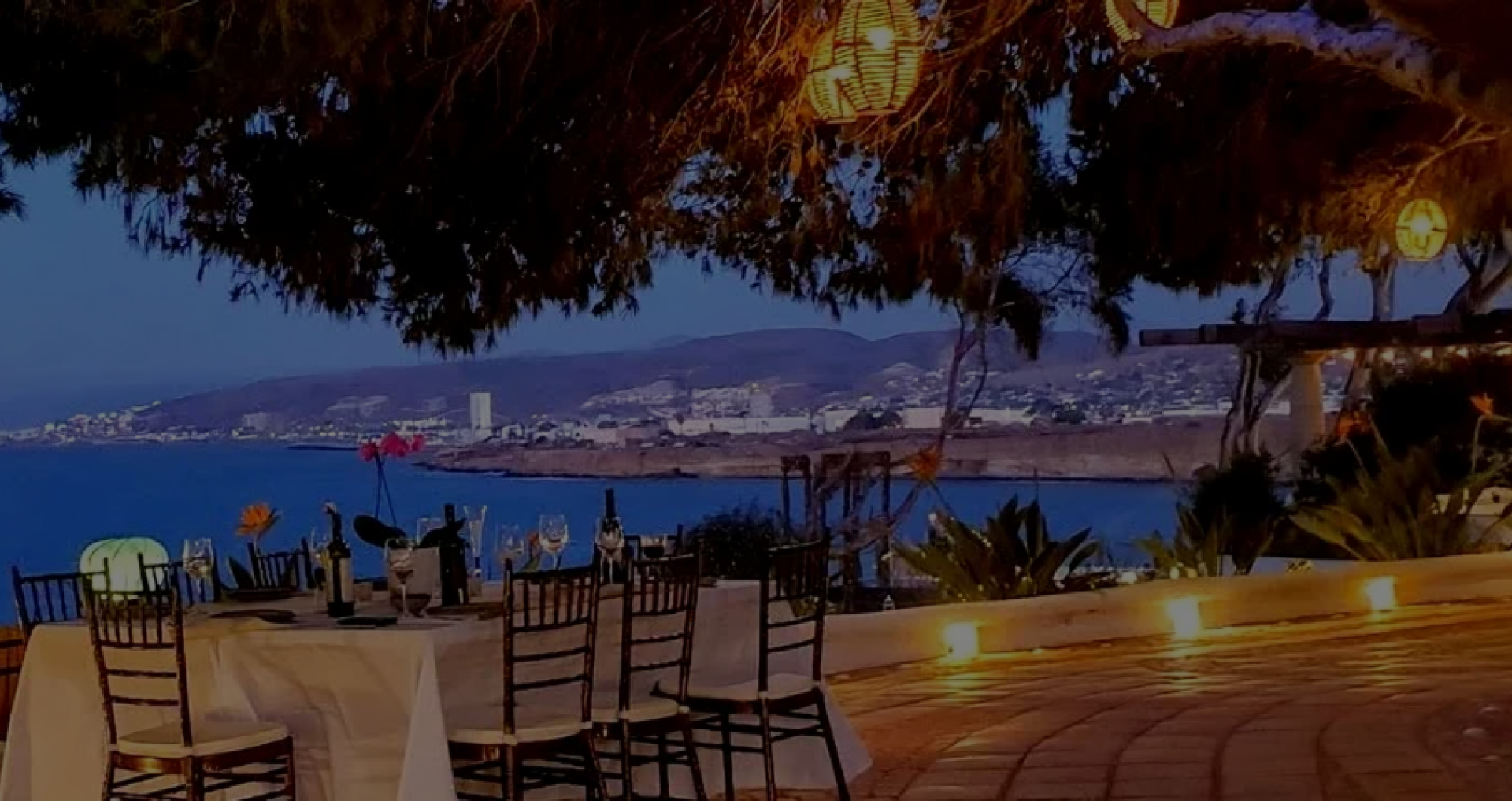
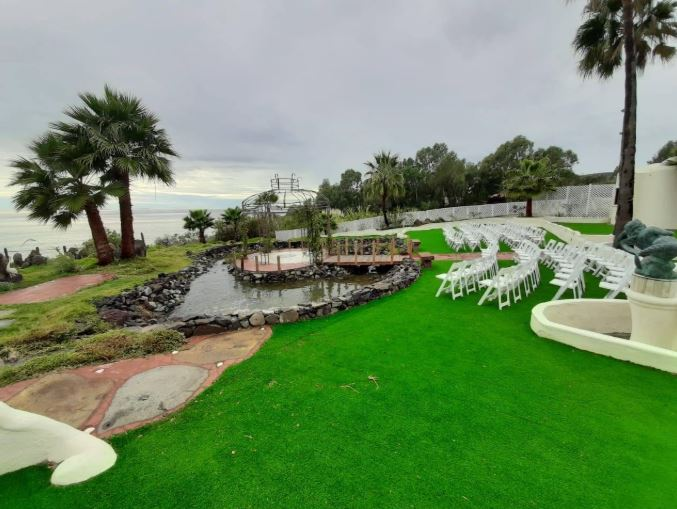
One group uses the patios, gardens, and gathering areas without overlap. Overnight stays remain limited to a set number of guests, while larger gatherings take place across outdoor spaces designed for events. This keeps everything organized and easy to plan.
The stay includes daily breakfast and housekeeping. Catering and event services are arranged based on your needs, which keeps the experience flexible and clear.
Guests move through different patios within the same property. Meals, conversations, and events happen in one setting instead of across separate locations.
How does the value change when you compare both options?
Resorts work well when convenience matters most. You follow a structure and use shared services without much planning.
Private properties begin to align in cost when groups reach around ten to twelve guests. The total does not increase in the same way. Instead, you are paying for the space, not each person.
For events, the difference becomes clear. One group uses the entire property. This gives you full control over timing, movement, and how the experience unfolds.
You are not just paying for services. You are choosing how the experience will feel.
A simple way to decide
Ask how you want to spend your time.
If you prefer a structured stay with shared services and minimal coordination, a resort works well.
If you want privacy, space, and the ability to gather in one place without interruption, a private property offers a different kind of value.
If you are exploring options and want to see how the space can work for your plans, we can help you understand exactly how the property is used before you decide.
Final thought
Cost only tells part of the story. The way a property organizes space, guests, and services, especially when compared with all-inclusive resorts in Mexico, shapes the entire experience. When you match your plans with the right structure, the decision becomes clearer and far more satisfying.
FAQs
1. What do all inclusive stays in Mexico usually cost?
All inclusive stays in Mexico usually cost between 150 and over 1000 per night. The price depends on how the property structures its services and what is included. Resorts charge per person, while private properties price the entire space, which changes the total cost for groups.
2. Why do all inclusive resort prices increase so quickly for groups?
All inclusive resort prices increase because they follow a per person model. Each guest adds to the total cost, including meals, drinks, and services. For larger groups, this multiplies quickly, especially when additional services like private dining or event setup are added.
3. Are all inclusive suites worth it for group stays or events?
All inclusive suites offer more space and comfort, but they do not change how the property operates. Guests still share dining areas, pools, and services. For short stays, this works well. For groups or events, it does not solve the need for private space or coordinated gatherings.